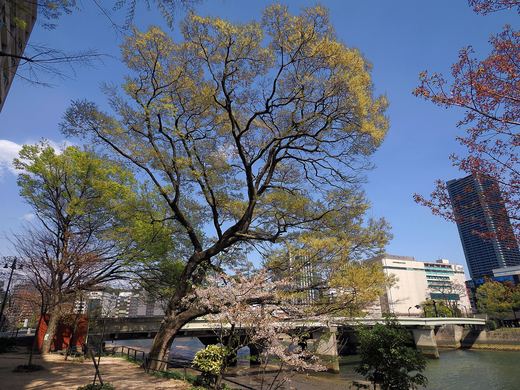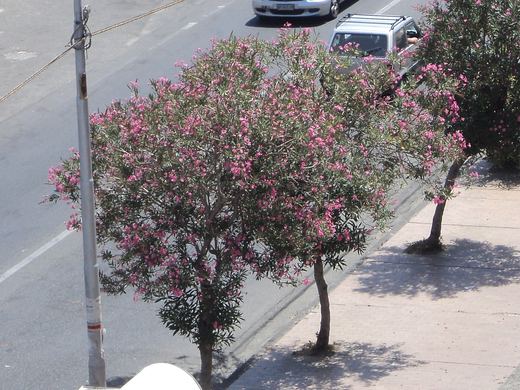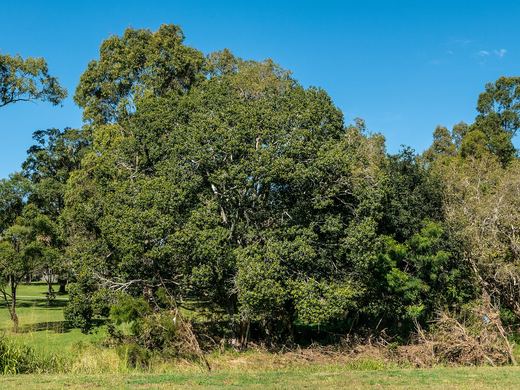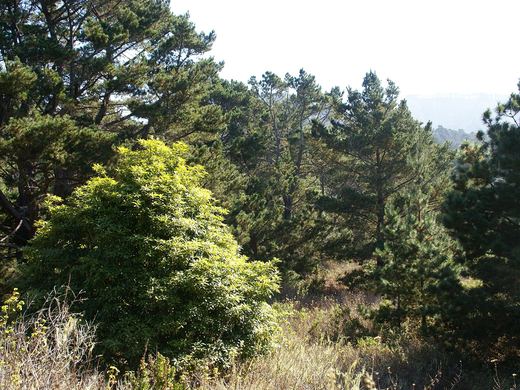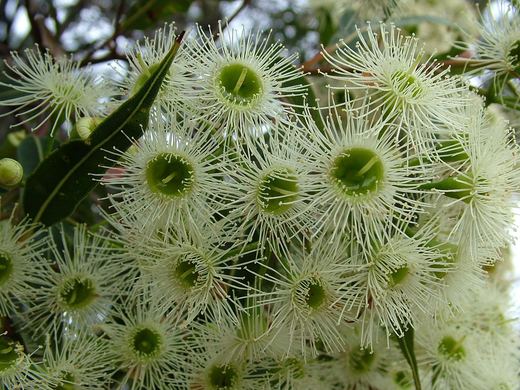
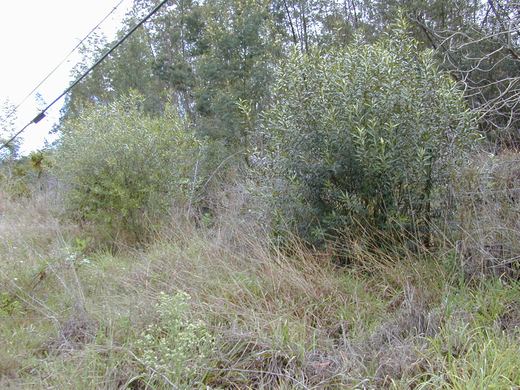
African Olive
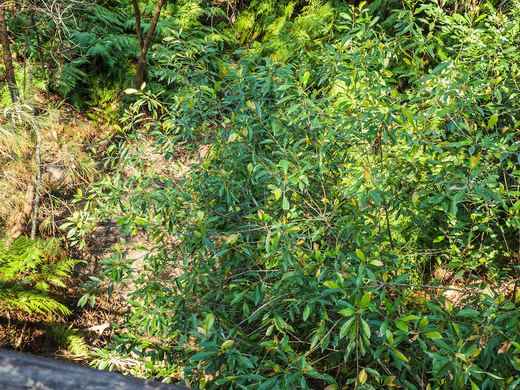
Olea europaea subsp. cuspidata
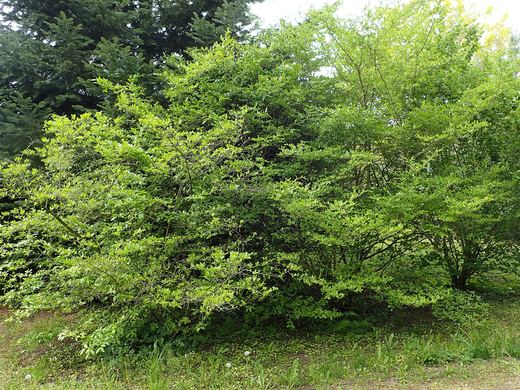
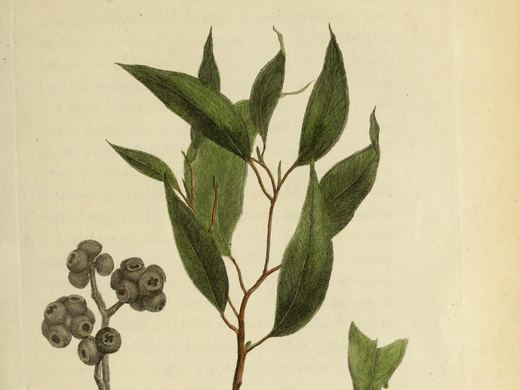
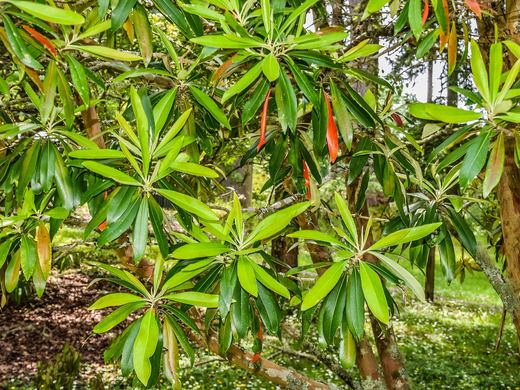
Narrow leathery leaves that are dark grey green above and silvery below.
Permit required
View details
Identify the tree in your yard, understand how it behaves, and find out whether your council needs to approve its removal. Filter by your suburb to see the rules that actually apply to your address.
Olea europaea subsp. cuspidata
Narrow leathery leaves that are dark grey green above and silvery below.
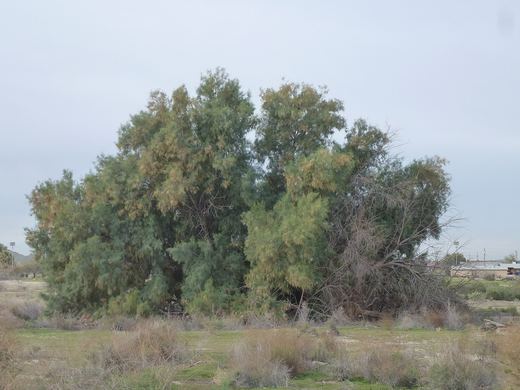
Tamarix aphylla
Fine grey green branchlets with tiny scale like leaves that give a feathery pine like appearance without being a conifer.
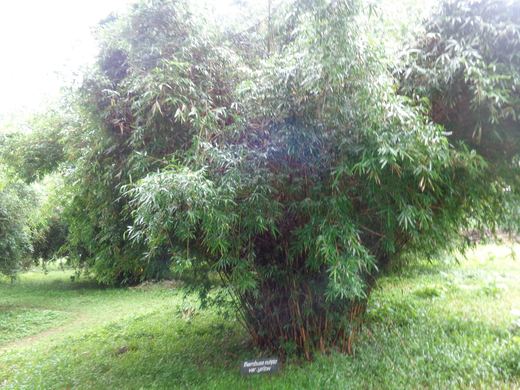
Bambusa and Phyllostachys species
Hollow jointed canes in clumps or spreading stands.
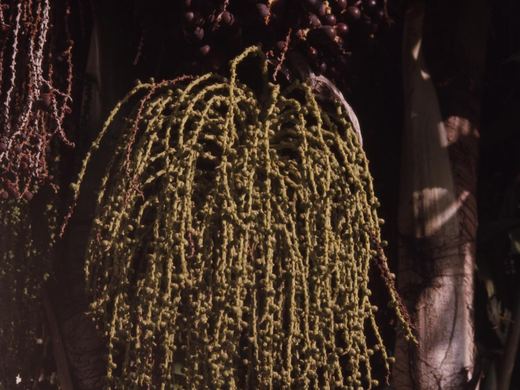
Archontophoenix cunninghamiana
A slender ringed grey trunk topped by a smooth green crownshaft and arching feather shaped fronds.
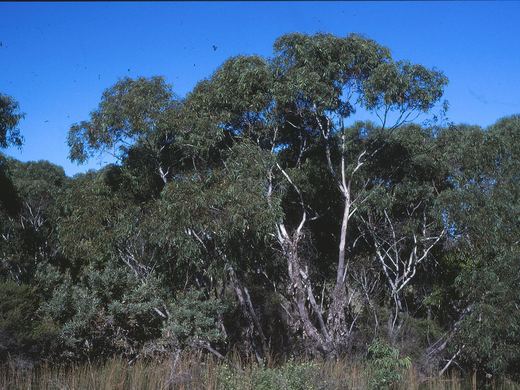
Eucalyptus pilularis
Named for the dark rough fibrous bark on the lower trunk, which gives way abruptly to smooth white or cream bark on the upper trunk and branches.
Elaeocarpus reticulatus
A slim upright small tree with leathery serrated leaves that often turn red before dropping individually.
Acer negundo
Unusual among maples for its compound leaves with three to seven leaflets rather than a single lobed leaf.
Ligustrum lucidum
Glossy pointed leaves in opposite pairs, with large sprays of small cream flowers in summer that carry a heavy sweet scent, followed by dense clusters of blue black berries.
Lophostemon confertus
Short rough brown bark on the lower trunk giving way to smooth pinkish brown above.
Livistona australis
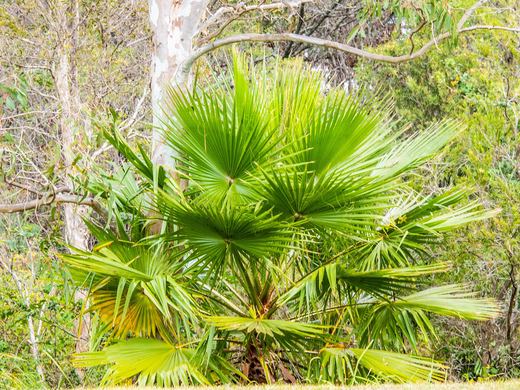
A tall slender solitary palm with a ringed grey trunk and a crown of large fan shaped fronds on spiny stalks.
Cinnamomum camphora
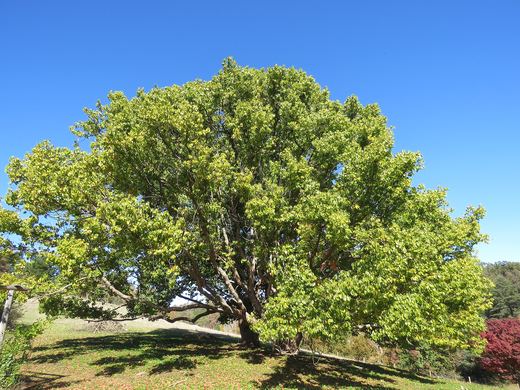
A massive domed tree with glossy leaves that smell strongly of camphor when crushed, and pale new growth flushes in pink and bronze.
Phoenix canariensis
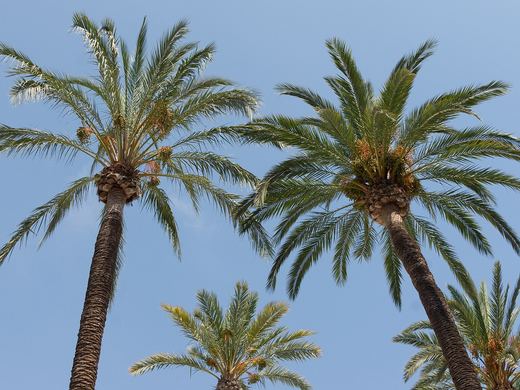
A very thick trunk patterned with diamond shaped old frond scars, topped by a massive crown of long stiff fronds.
Radermachera sinica
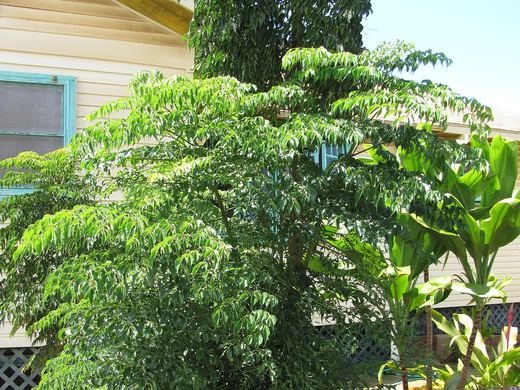
Glossy finely divided compound leaves giving a soft lacy appearance, on a fast growing upright tree.
Celtis sinensis
Leaves with a distinctly lopsided base and teeth only on the upper half of the margin, which is the key identifier.
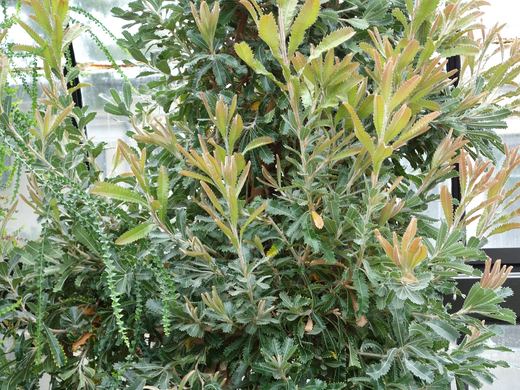
Banksia integrifolia
Leaves are dark green above and distinctly silver white underneath, which flashes in the wind.
Syagrus romanzoffiana
A tall grey ringed trunk with no green crownshaft, topped by long arching feather fronds.
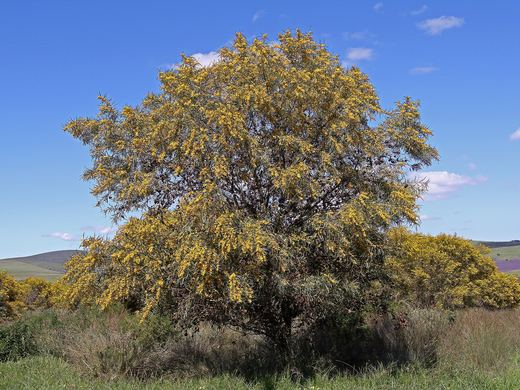
Acacia baileyana
Fine feathery silver blue foliage and masses of bright golden ball flowers in winter and early spring.
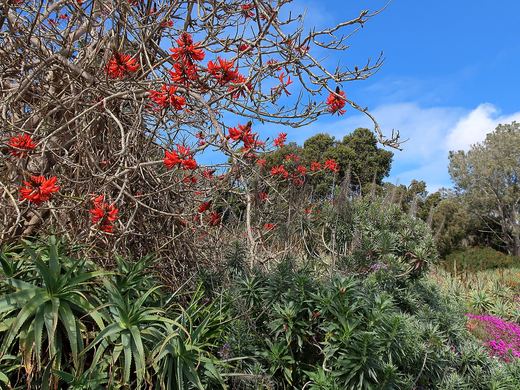
Erythrina x sykesii
Thick corky bark studded with sharp conical thorns, and stout brittle limbs.
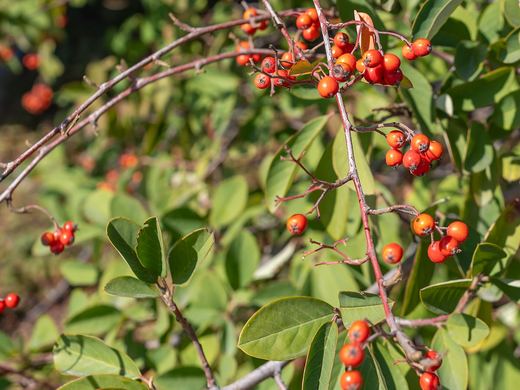
Cotoneaster glaucophyllus
A large arching shrub or small tree with small grey green leaves, clusters of white flowers in spring and masses of orange red berries through autumn and winter that persist for months.
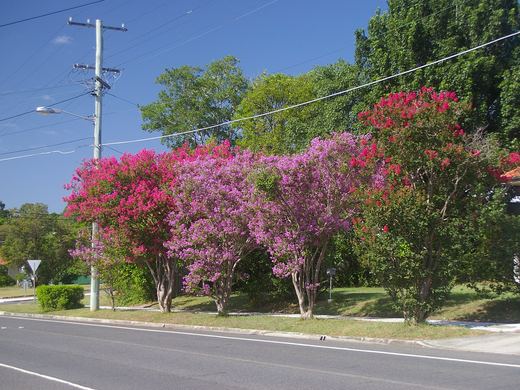
Lagerstroemia indica
Smooth mottled bark that peels to reveal cinnamon and cream tones, and multi stemmed sculptural trunks.
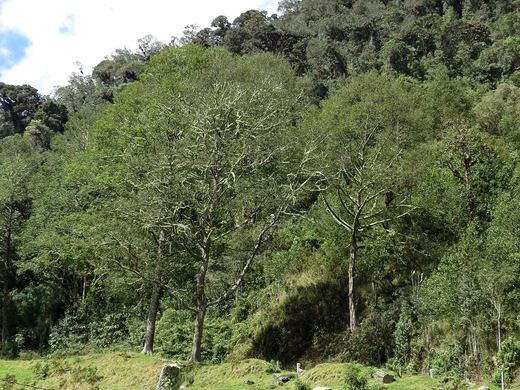
Alnus jorullensis
A fast growing upright tree with glossy serrated leaves and small woody cone like fruit that persist on the branches.
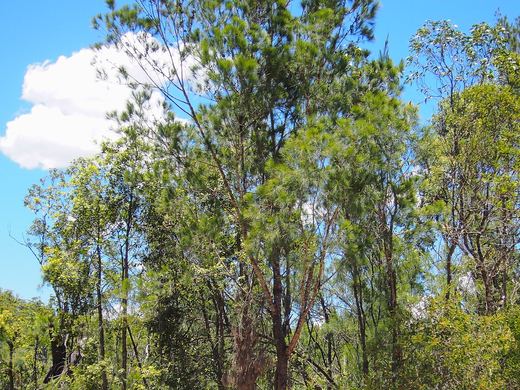
Allocasuarina torulosa
Fine drooping needle like foliage that turns bronze or rusty in cold weather, and corky furrowed bark.
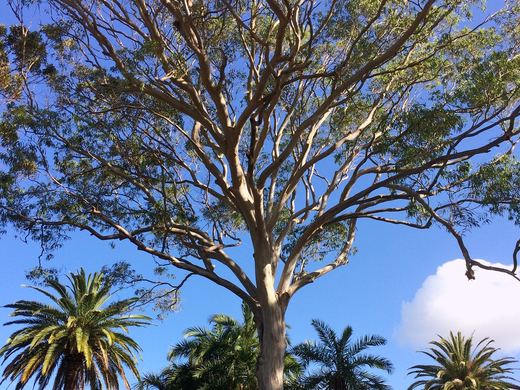
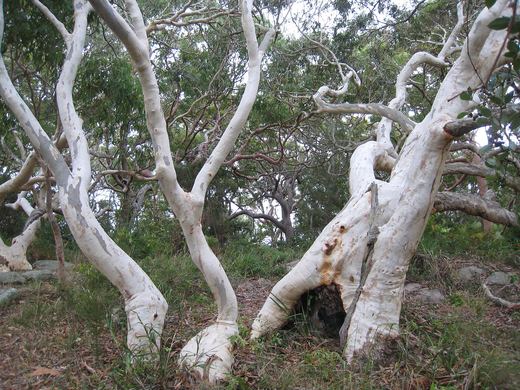
Eucalyptus tereticornis
Smooth mottled bark in white, grey and blue, shedding in irregular plates, often with a short rough collar at the base.
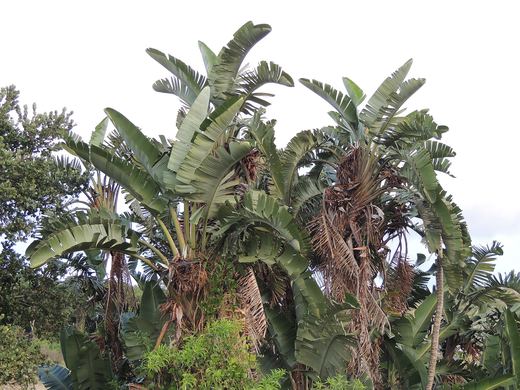
Strelitzia nicolai
Huge paddle shaped banana like leaves on tall clumping stems, with dramatic white and blue boat shaped flowers.
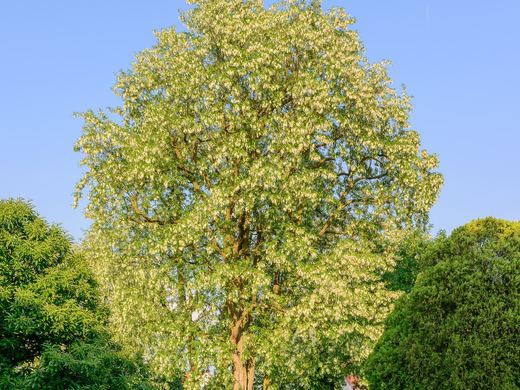
Robinia pseudoacacia 'Frisia'
Compound leaves with many small oval leaflets, golden yellow in the Frisia cultivar and green in the species.
Acacia saligna
Long narrow drooping blue green phyllodes rather than true leaves, and large bright golden ball flowers in spring.
Eucalyptus paniculata
Hard, deeply furrowed dark grey to black bark that persists over the entire trunk and branches and does not shed.
Gleditsia triacanthos
Fine compound leaves that cast light dappled shade and turn clear yellow in autumn.
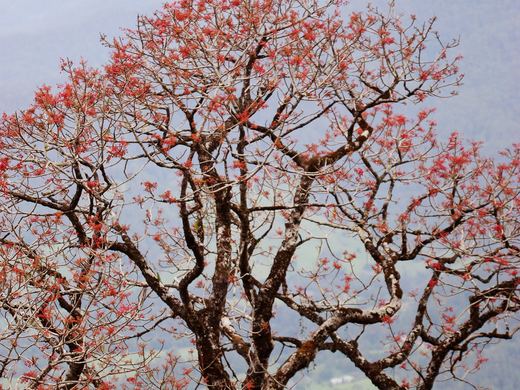
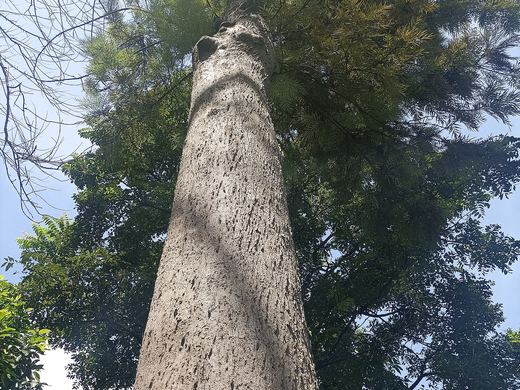
Brachychiton acerifolius
Unmistakable in summer when the tree drops its leaves and covers itself in brilliant scarlet bell flowers.
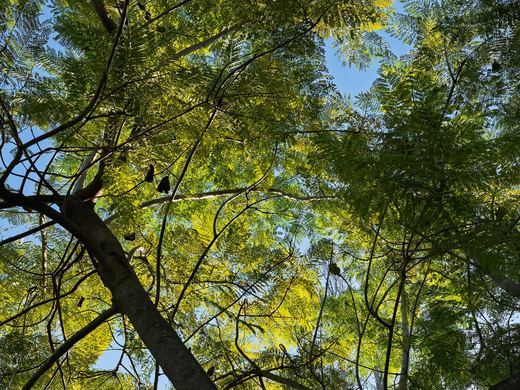
Jacaranda mimosifolia
Fine, twice divided fern like leaves and a spreading vase shaped crown.
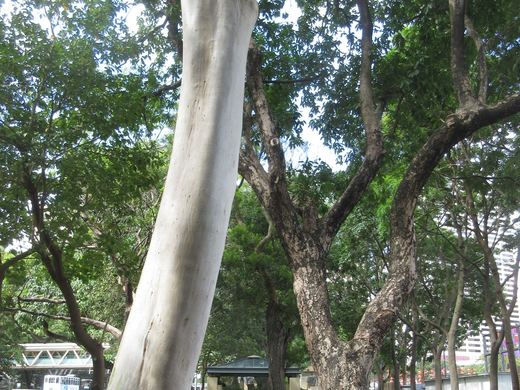
Corymbia citriodora
A tall slender tree with powdery smooth white to pale pink bark and a distinctly narrow crown.
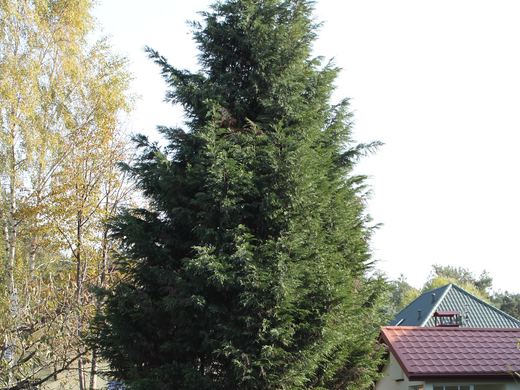
Cupressocyparis leylandii
A dense upright conifer with flattened sprays of scale like foliage, usually planted in a row as a screen.
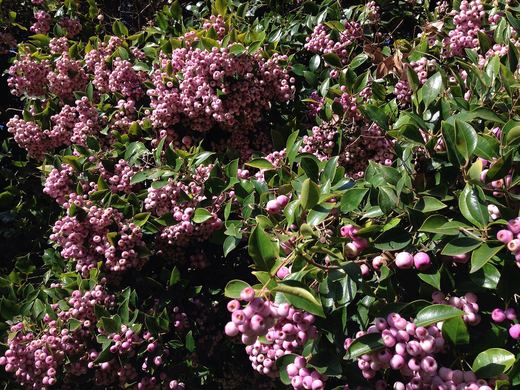
Syzygium smithii
A dense rounded tree or large shrub with glossy leaves and colourful flushes of pink or bronze new growth.
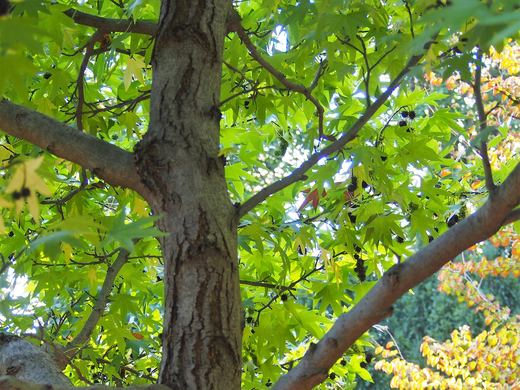
Liquidambar styraciflua
Star shaped five lobed leaves that colour brilliantly in red, orange and purple through autumn.
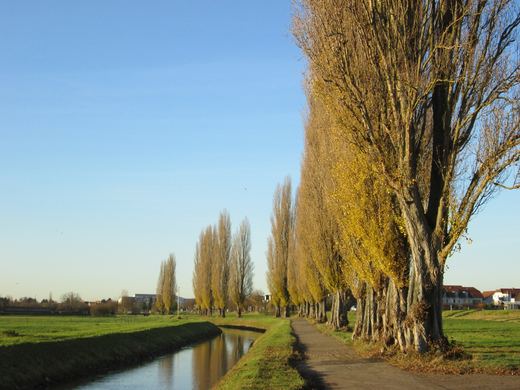
Populus nigra 'Italica'
A tall narrow column of upright branches, quite unlike any other tree in a Sydney garden.
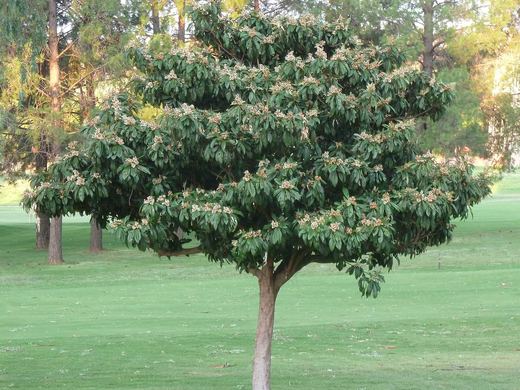
Eriobotrya japonica
Large leathery leaves with deep parallel veins and a rusty felted underside.
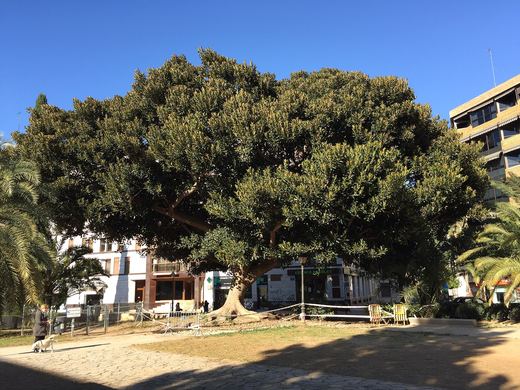
Ficus macrophylla
An immense spreading tree with huge glossy leaves up to 250mm long, dark green above and rusty brown beneath.
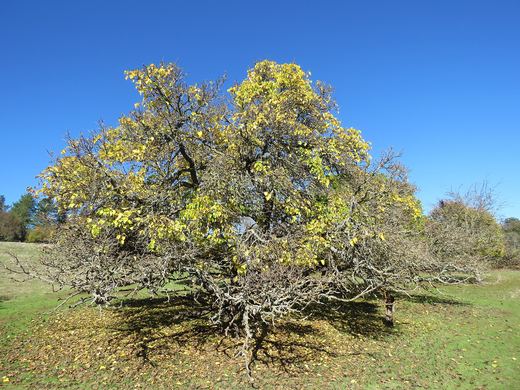
Morus nigra
Large rough heart shaped leaves on a low spreading tree with a broad gnarled trunk.
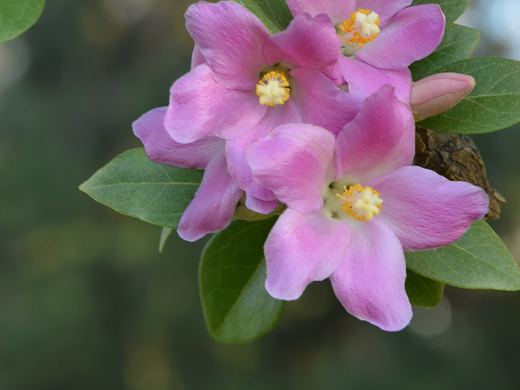
Lagunaria patersonia
A neat conical tree with grey green leaves that are pale and felted beneath.
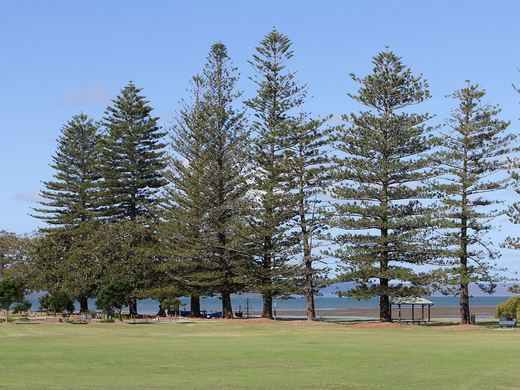
Araucaria heterophylla
A perfectly symmetrical tree with branches in regular horizontal tiers and a straight dominant leader.
Banksia serrata
Gnarled twisted form with thick warty grey bark.
Nerium oleander
Narrow leathery leaves in whorls of three along the stem, and clusters of pink, white or red flowers through the warmer months.
Ficus rubiginosa
A broad spreading tree with leathery dark green leaves that are often rust coloured and furry underneath.
Pinus radiata
Needles in bundles of three, a coarse fissured dark bark and large woody cones that persist on the branches for years.
Corymbia gummifera
Persistent rough, tessellated bark in reddish brown squares over the whole trunk and branches, quite different from the smooth barked gums it grows beside.
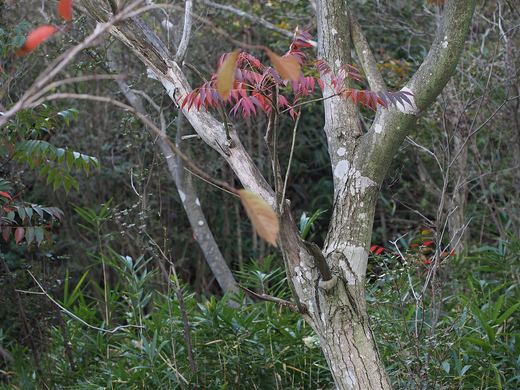
Toxicodendron succedaneum
Compound leaves with nine to fifteen leaflets that turn a spectacular scarlet in autumn, which is why it was planted.
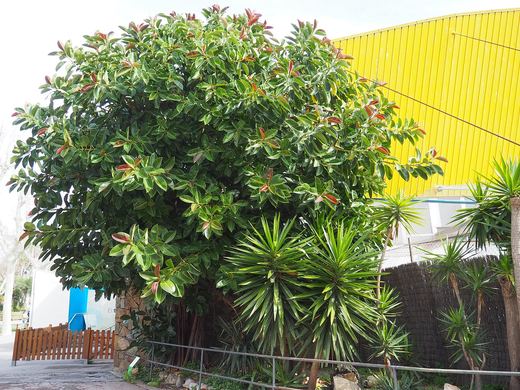
Ficus elastica
Thick glossy oval leaves up to 300mm long, with a pointed pink sheath over each new leaf.
Eucalyptus haemastoma
Smooth white to pale grey bark marked with distinctive dark meandering scribbles left by the larvae of the scribbly gum moth.
Grevillea robusta
Fern like divided leaves with a silvery grey underside, on a tall upright tree.
Ligustrum sinense
Smaller duller leaves than Broad-Leaf Privet, often with fine hairs on the twigs.
Corymbia maculata
Smooth bark shed in patches, leaving a dappled cream, grey and pink mottled trunk that is unmistakable.
Eucalyptus robusta
Thick, soft, spongy red brown stringy bark over the whole trunk.
Eucalyptus saligna
A tall straight trunk with smooth blue grey to white bark that sheds in long ribbons, usually over a short stocking of rough bark at the base.
Eucalyptus piperita
Finely fibrous grey brown bark on the trunk and larger branches, with smooth white branchlets above.
Angophora costata
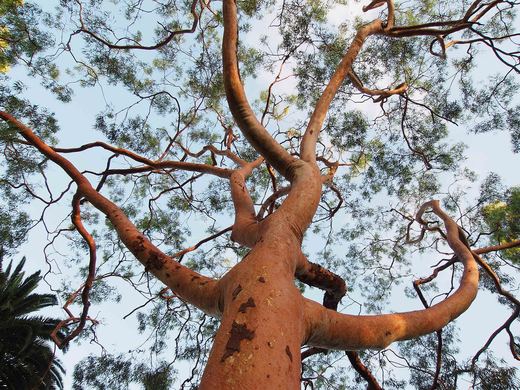
A sculptural tree with a smooth salmon pink to orange trunk that sheds each summer to reveal fresh bright bark, and heavy twisting limbs.
Ailanthus altissima
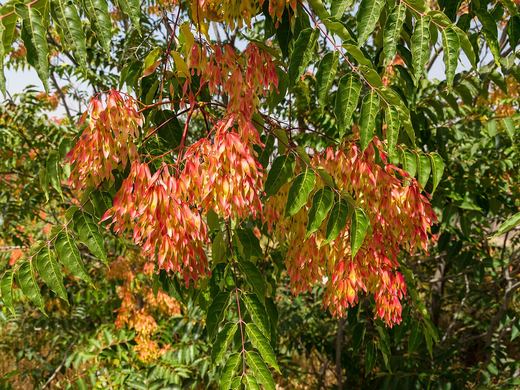
Very large compound leaves up to a metre long with eleven to twenty five leaflets, each with a distinctive notch and gland near the base.
Cupaniopsis anacardioides
A neat rounded tree with compound leaves made of four to ten leathery rounded leaflets.
Syncarpia glomulifera
Thick fibrous stringy bark in a distinctive reddish brown, soft enough to press a thumb into.
Schefflera actinophylla
Large glossy leaves with seven to sixteen leaflets radiating from a central point like an umbrella.
Tristaniopsis laurina
A small neat tree with smooth mottled bark that sheds in patches to reveal cream and grey tones.
Ficus benjamina
Small glossy pointed leaves on gracefully drooping branchlets, forming a dense weeping canopy.
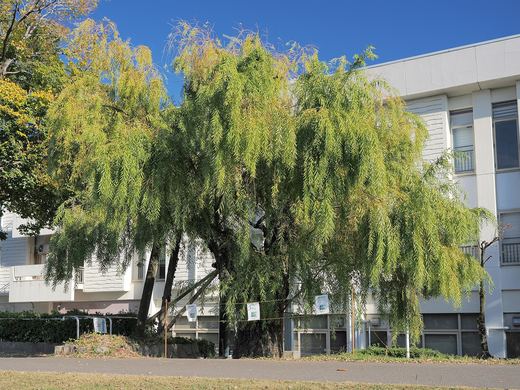
Salix species
Long slender weeping branches with narrow leaves, usually beside water.
Try clearing the search box or choosing a different council.
Every council sets its own size thresholds, pruning allowances and exempt species. These are the rules we work to across our service area, with links to the official pages.
In most cases yes. Every council covered in this encyclopedia protects trees on private land once they pass a size threshold, which ranges from 3m in height in Waverley, Georges River, Willoughby, Hornsby, Bayside and Blacktown up to 6m in Randwick. Exemptions exist for listed species, dead trees, small trees and trees close to a dwelling, but they vary a great deal between councils.
Councils in NSW can issue penalty notices and pursue prosecution in the Land and Environment Court, with penalties reaching into the tens and hundreds of thousands of dollars. Councils also commonly require replacement planting. It is always cheaper to check first.
No. Northern Beaches and Blacktown accept photographic evidence, while Ku-ring-gai, Lane Cove and Georges River require Council to confirm the tree is dead before removal, and several councils require an AQF3 or AQF5 arborist assessment. Dead trees that are fauna habitat are frequently not exempt at all.
Ten per cent of the canopy in a twelve month period is the most common allowance, used by Northern Beaches, Hornsby, The Hills, North Sydney, Ryde and Inner West. City of Sydney allows only 5 per cent, and Willoughby allows 10 per cent over a five year period. Ku-ring-gai limits exempt pruning to branches under 50mm.
Council owns verge and street trees in every LGA on this list. You cannot prune or remove them under a private tree permit, and unauthorised work on a public tree attracts significant penalties. Contact the council's street tree team instead.
Photographs are reproduced from Wikimedia Commons under their respective Creative Commons or public domain licences. Illustrations are original artwork.
This encyclopedia is a practical guide for Sydney property owners, not legal advice. Council tree rules change, and exemptions are frequently overridden by heritage listings, heritage conservation areas, significant tree registers, biodiversity mapping, endangered ecological communities and conditions attached to development consent. Always confirm the current rules with your council for your specific address before any tree work begins, or ask us to check it for you.
Our arborists work across 20 Sydney councils every week. We will identify the species, check the rules for your address and handle the permit application if one is needed.